


Palm Sunday
The whole Palestine was at the streets of Jerusalem those days to celebrate Pascha: people from Judea, Judamea, Perea, Galilee – people who had many times seen and heard the great Preacher, and in whose consciousness his therapeutic vitality, kindness, courage and wisdom had spread its dominating force – this festive sea of men, hearing that the amazing prophet was coming, rushed into the streets, full of enthusiasm, love and faith to welcome him.
“Hosannah to the child of David! Blessed be the one who cometh!”
The slopes of the Holy Mountain echoed those cries, faithfully rendering the ovations of the colorful crowd. Among the people were old men, women and children. They would kneel down, reach out their hands, cover the ground with their clothes, step into the way of the triumphant Victor to take one blessing from him, to touch his clothes, to catch his eyesight from a close distance, his consoling, healing and saving eyesight. Most people were carrying palms, others were carrying flowers from the fields, others were cutting branches from the trees and the bushes, everybody would cover the ground with what they had, so that God would walk upon.
So Jesus proceeded; he would necessarily stop at times and then go on again. However, the more joy, worship, fanaticism and faith would reach the apex of their intensity, the more the cloud of sorrow, which since morning of that day covered his divine figure, would become stronger and denser.
Around him was enthusiasm, joy, glorifying worship. Inside him, however, was a wave of unquenchable pain. A paradoxical and shocking antithesis between the thoughts of men and God: The vision of the distant, triumphant future – the world rule of the religion of consciousness, the immortality of the Word – in strong contrast to the eloquent future of the human ingratitude, the martyrdom, the temporary but defeating, nevertheless, necessity of death. It is to admire someone’s strength to march to the glory of a self-created victory. However, it is to respect someone’s strength to march, with full consciousness, to a death for consolidating this victory. At that moment, divine and human consciousness engaged in a wild and fierce battle within Jesus’ soul. The heavens, with its shining light, and the abyss, with its darkness, were fighting in his innermost existence. A blessing and glorifying cheer around him, and over there, between the historical walls of the city, anywhere he looked and anywhere he went, the silent threat of hatred and death: the glory and the shame, the truth and the delusion, the triumph and Jerusalem. On that day, the holy City would choose the Easter lamb, the lamb of sacrifice; and he proceeded, offered itself to the city’s choice…
ISBN
960-7874-10-2
Number of Pages
288
Dimensions
205 × 140 × 5 mm
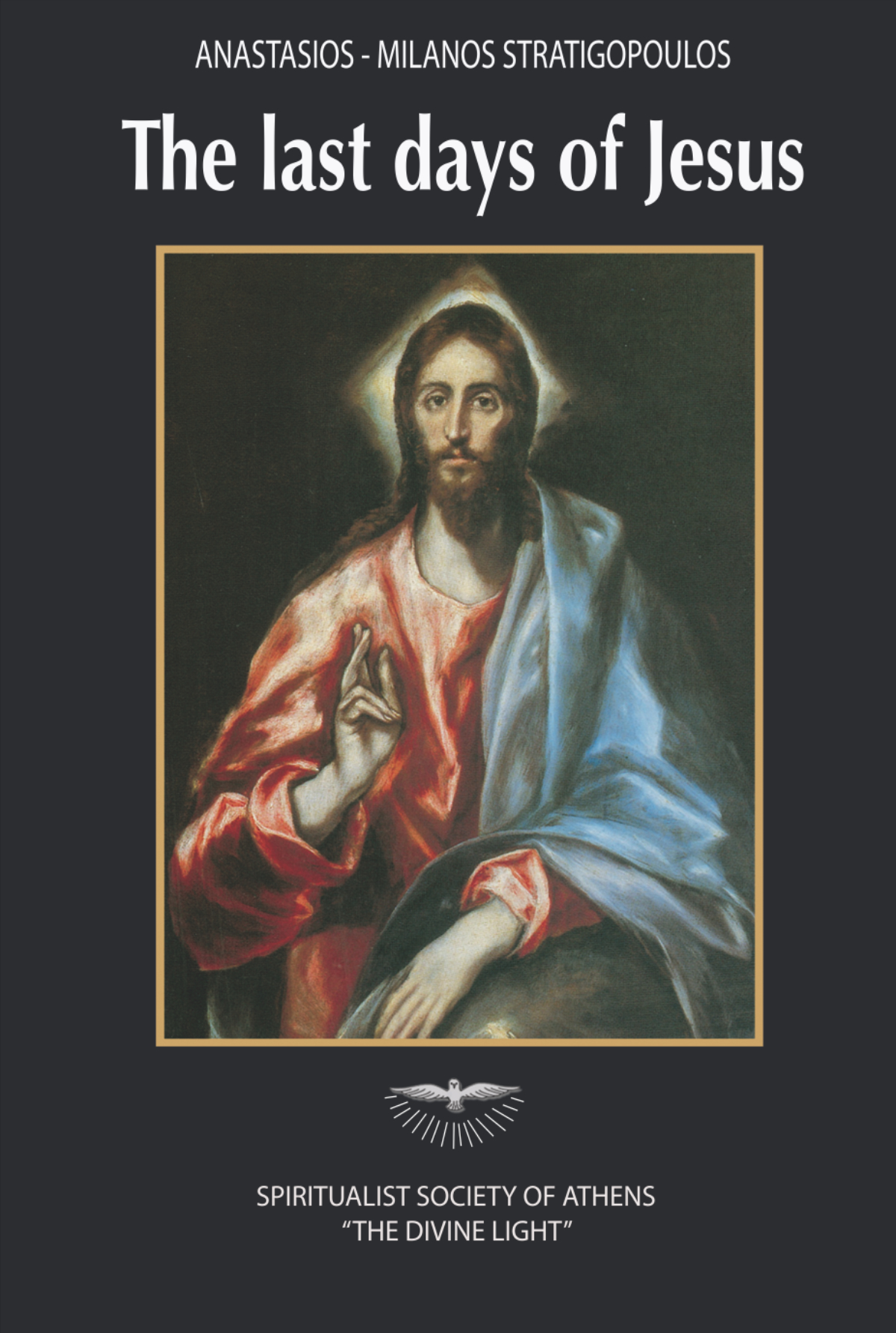
An impressive, lyrical and beautifully documented outburst of faith, this inspired work by the poet and historian Anastasios – Milanos Stratigopoulos speaks about the Divine Drama.
The passions of the Holy Week, the agony before the martyrdom, the walk towards the crucifixion and the triumph of Life over Death unfold before our eyes and are examined deeply with the lyricism of the sentiment.
After reading this book, the mystery and magnitude of the sacrifice of the Savior, the mystical aura enveloping Jesus and the divine supernatural forces that protected him as the Myst of all mysts find their place in our heart, soul and spirit.
Translated by Ioannis Kontodinas